The Little Man
THE LITTLE MAN — The Little Man (1971) 70s Psychedelic Hard Rock
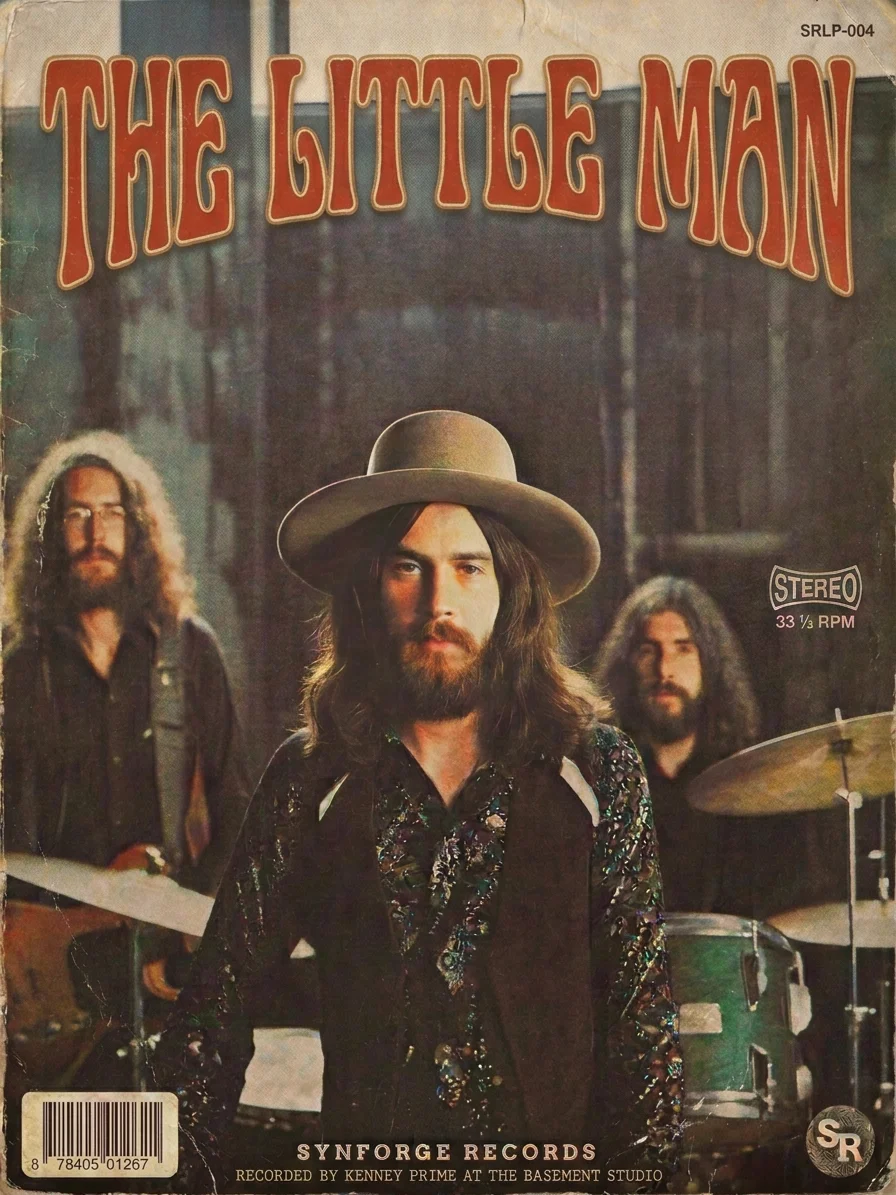
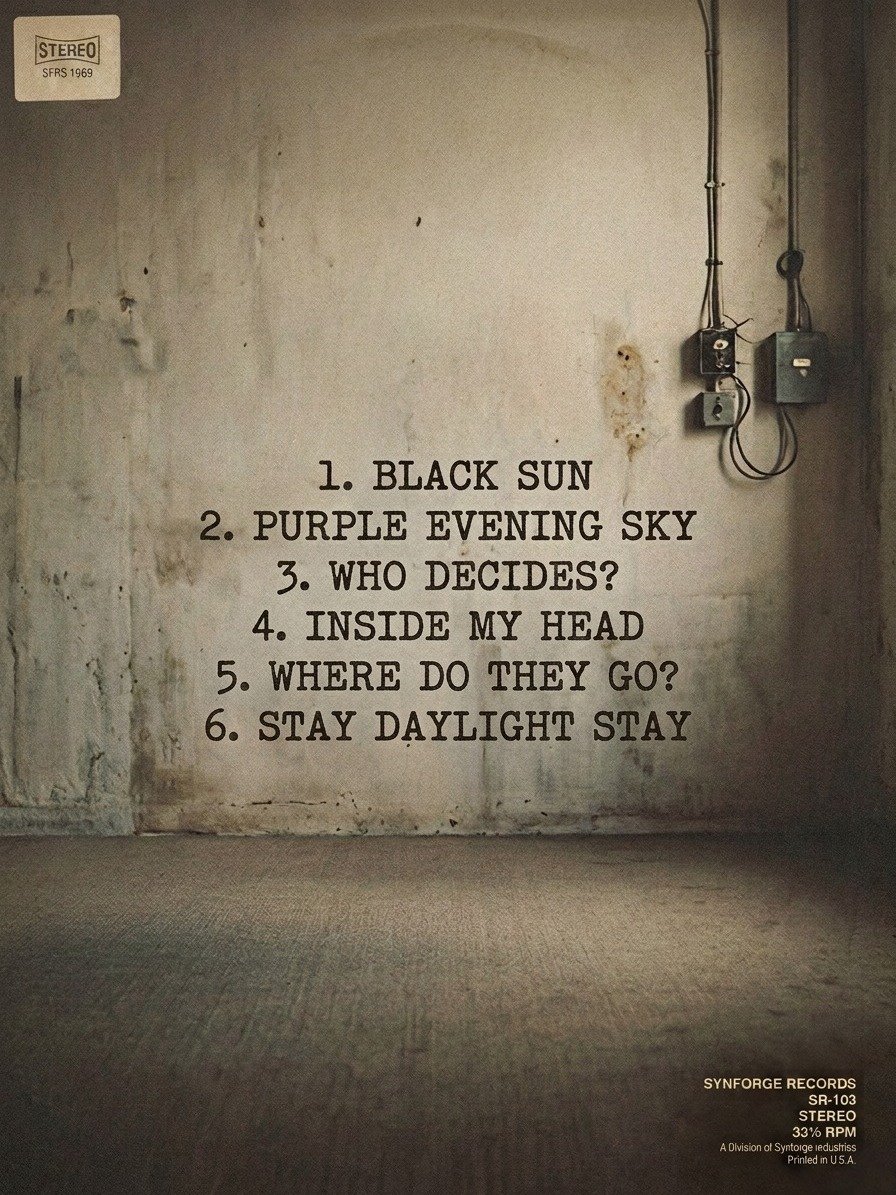
SynForge Records Archive In a world ruled by corporations, the little man is expected to work, obey, and accept his place. But what happens when he decides he's had enough? Emerging from the American Midwest in 1970, The Little Man were a three-piece psychedelic hard-rock band whose music explored the tension between corporate conformity and the desire to live beyond society's reach. Their self-titled 1971 album follows an ordinary man who walks away from the factories, the paychecks, and the institutions that have spent his life telling him who he is. He heads into the woods in search of independence, only to discover that the wilderness offers no easy answers. When daylight fades, the forest becomes a place of strange sounds, deep shadows, and creeping uncertainty. Across six tracks, the band moves from the crushing weight of “Black Sun” and the defiance of “Who Decides” to the nocturnal unease of “Where Do They Go” and the desperate plea for morning in “Stay Daylight Stay.” Heavy blues-rooted riffs collide with hazy psychedelic passages, creating the atmosphere of a man caught between two worlds: one that makes him feel insignificant, and another that reminds him how small he really is. THE BAND Tucker Vane was the singer and guitarist, a quiet, restless songwriter who filled notebooks with fragments about power, mortality, dreams, and the strange distance between what people believed and what they actually felt. He wore an old felt hat he'd bought from a second-hand shop and rarely explained the meaning behind his songs. When asked about the band's name, he once replied that the little man was the one nobody notices until he finally speaks. Martin “Marty” Cross, on bass, was the band's anchor. He'd spent time playing blues clubs and had an instinct for turning Tucker's wandering guitar parts into something heavy and hypnotic. Marty believed a three-piece band had to sound twice as large as it looked. Daniel Rusk, on drums, was the restless force behind them. He played with a loose, almost jazz-like sense of timing, moving from restrained, shuffling rhythms into explosive passages without warning. He and Elias often argued over arrangements, but those disagreements became part of the band's sound