![Mythious [Full Album] product image (1)](https://imgproxy.fourthwall.dev/eS_B0LURNi1L8p9i2BUyUfW0jReaKNJvhrnNJmBNEQE/w:1920/sm:1/enc/8JYzFUOhdAfUV55X/Es6iJTGjz1Ue5asp/ySy5Koue_XVzgw_S/2Mf4ItaAsTUG2Fep/8XPCb0YTW77oXF-j/6shi-eJH7u_Qe9Vp/g_JOC_CYhiRRV0Zz/YQYomK-a1yhAB2Uv/IvGm4TiVpJ9ebNER/6RrtzLyoWaAYUJeX/AP96VX9XSaNDUuD9/2YvrACtcf_2H7L3B/3EY-dCoFyVM5jhbj/K__lxA.webp)
![Mythious [Full Album] product image (2)](https://imgproxy.fourthwall.dev/--rn7gsIYWFmcPCAwTorE8QGhV4H0esdg8S7ggpaW4A/w:1920/sm:1/enc/H8HNnecPtl3fJq10/qMV57cQ1DfeZXLS0/uwFQDenKaD_t6dAm/vW5z51FRyNhEYtg3/kYRai60CPHVmt5pv/nRaAogGInOftbfBw/8yyBy3xZ6GfWzto8/MA2rm-F0PJgtNURD/Cr0nGqEzZF2YUr8s/Rr3yXjSuXURu9gkl/M4jUmmkU1YPRcbBT/kLLfW2-T1JKUruGw/p5e5fQYFsygZ00K1/a26sIA.webp)
Mythious [Full Album]
The Lighthouse Keeper
A mythic coastal record from the lineage of The Fossils
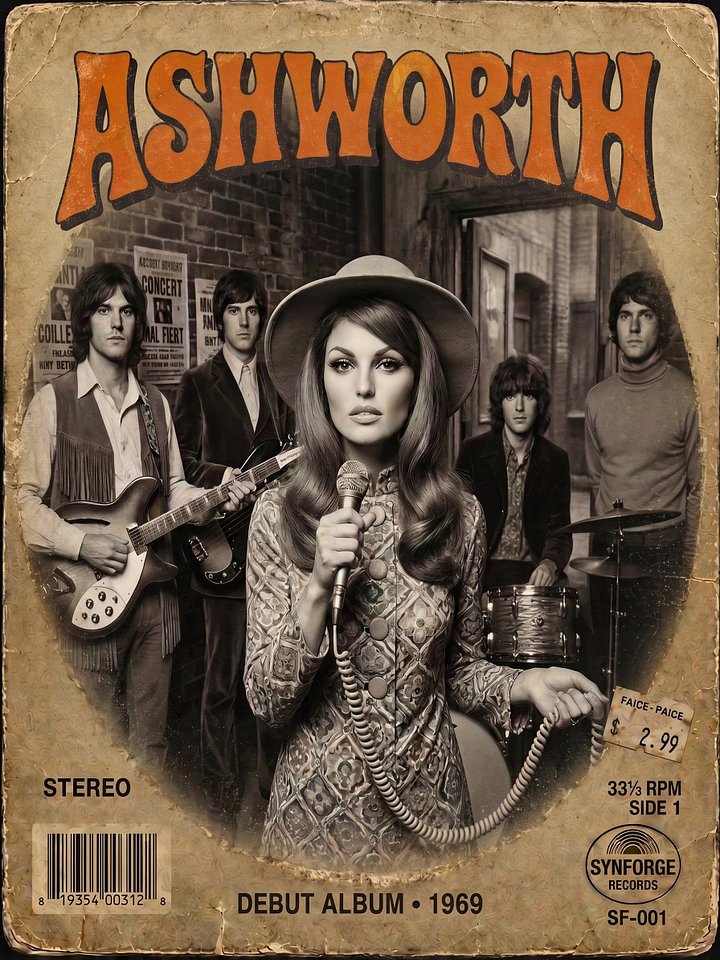
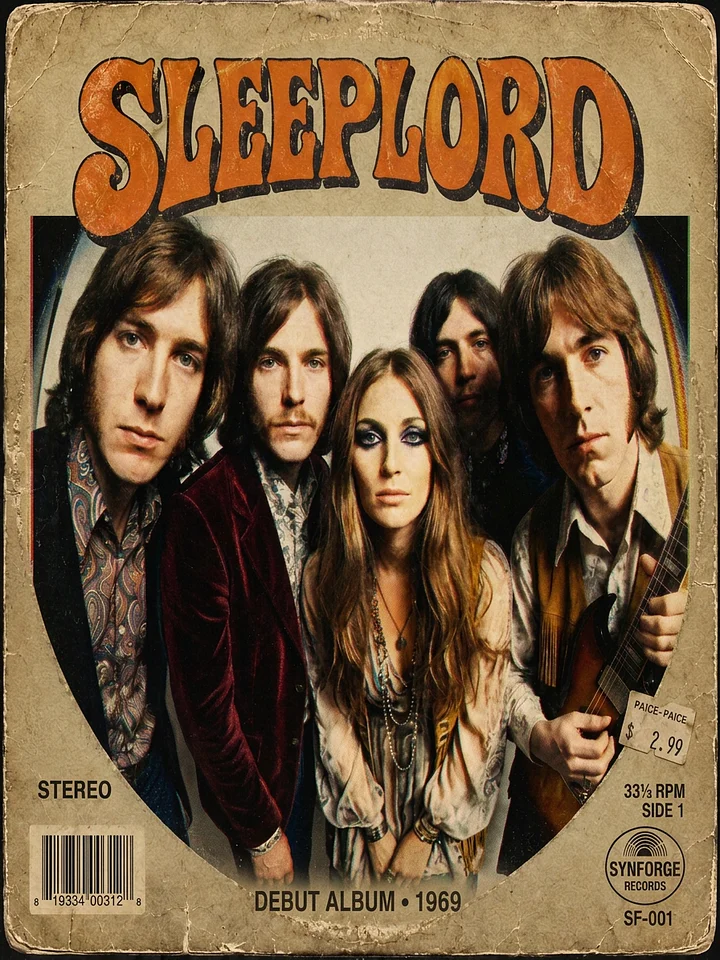
By the time The Fossils vanished in 1969, their music had already begun to behave strangely. Certain listeners reported feeling “pulled seaward” after repeated plays. College DJs swore the records sounded different at night. Copies left near the coast developed surface noise that resembled surf, even when clean.
One of those listeners was a man whose name appears only once in surviving notes: Elias Ash, believed to be Diane Ashworth’s younger brother.
Elias was not a musician. He worked seasonal jobs along the Northern California coast—dockhand, ferry assistant, weather observer. In late 1969, he accepted a position maintaining an isolated lighthouse on a stretch of rock few ships passed anymore. It was considered a quiet post. Temporary. Forgettable.
He brought only a few possessions with him, among them a worn copy of The Fossils’ self-titled record.
The Keeper
The lighthouse had been automated years earlier, but Elias was hired to keep the structure intact—clean lenses, record tides, log weather, report failures that never came. Nights were long. The sea constant. The silence immense.
He began keeping a journal. At first, it was practical: wind direction, wave height, hours of visibility. Over time, the entries shifted. He started writing about sounds beneath the water, about rhythms that aligned with the pulse of the lamp. About melodies that felt older than language.
He wrote that the sea was not empty.
He wrote that it remembered.
Elias believed The Fossils had touched something ancient—not outer space, not dreams, but deep time. Stone. Water. Pressure. The slow patience of erosion. He believed Diane’s voice had opened a door the band themselves never fully crossed.
Where they listened, Elias stayed.
The Calling
According to the journal fragments that remain, the lighthouse became a threshold. Not a warning to ships—but a signal to something below. Elias described the role of the keeper not as a guardian, but as a witness.
“Someone has to stay long enough to hear it all.”
The album The Lighthouse Keeper is said to be drawn from these writings—not as literal diary entries, but as songs shaped by the same current that ran through The Fossils. Where the band sang of tide pools and stone, the keeper sang of surrender. Where they observed, he descended.
Disappearance
Elias Ash was last seen during a routine supply drop. The lighthouse was still functioning. The logs were complete. The record player was spinning silently, needle worn smooth.
No body was found.
No sign of struggle.
Only the journal, water-stained and incomplete.
After his disappearance, sailors reported the light felt “closer” somehow—not brighter, but more intimate. As if it was no longer warning them away, but watching.
The Myth
In coastal folklore, Elias became known simply as The Keeper—the one who stayed too long, who listened too closely, who completed the descent The Fossils only began.
It is said that:
- The Fossils found the language
- The Keeper found the meaning
- And the sea kept the rest
The Lighthouse Keeper album is not a sequel.
It is a brothering—a shared bloodline of sound.
A continuation of a conversation that never ended.
Not every listener hears the call.
But those who do, never forget it.